
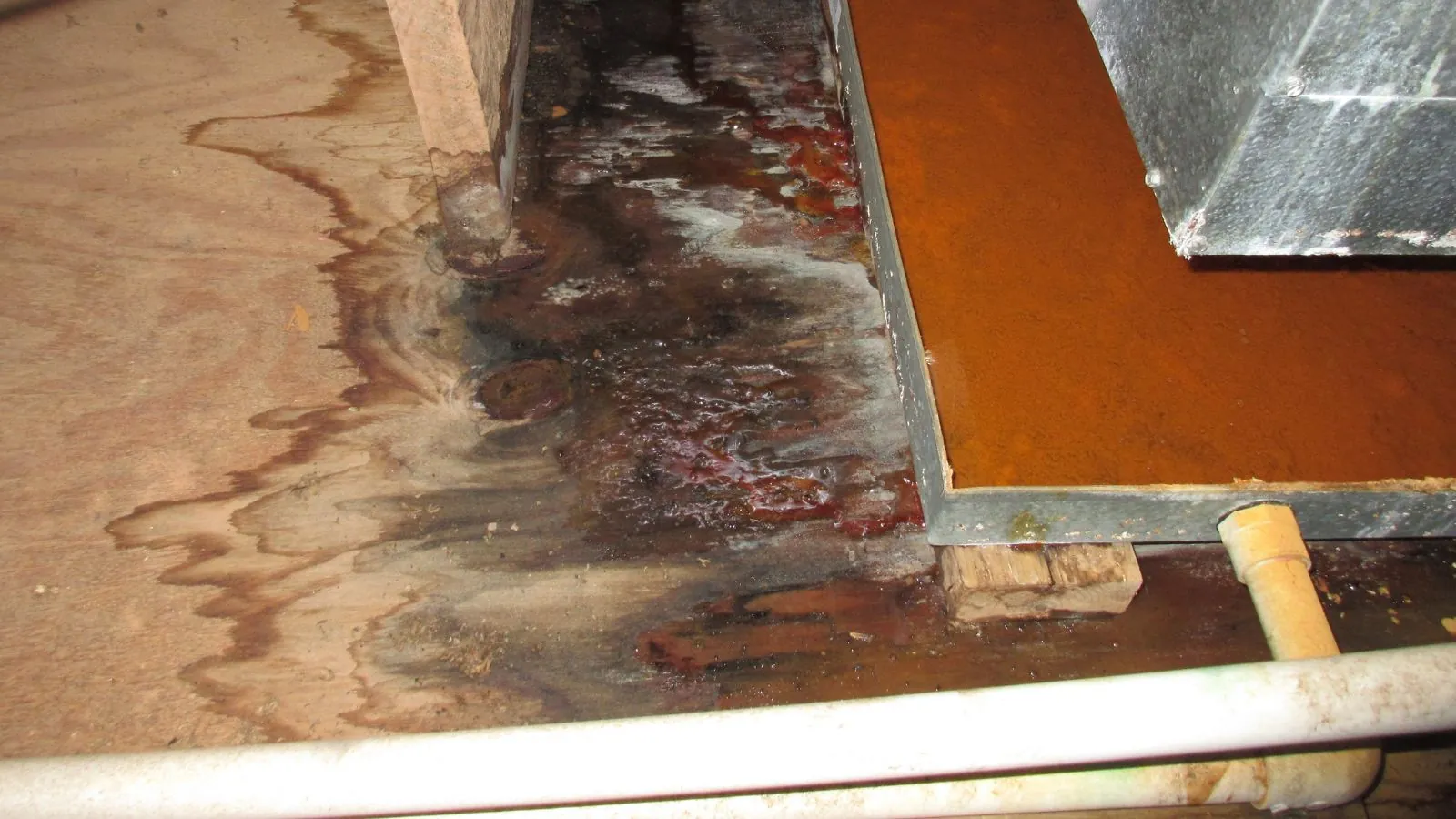
Most people discover what their policy covers at the worst moment, standing in a wet room with a phone in hand. The short answer is that homeowners insurance often covers water damage that is sudden and accidental, and often does not cover flood or slow seepage. Your policy wording decides, and this page explains the common patterns so your questions to the agent are sharper.
Sudden and accidental water
A supply line that bursts, a washing machine hose that lets go or a water heater that fails are typical sudden events. Policies commonly respond to the resulting damage to the building and sometimes to contents. They often do not pay to repair the failed part itself, such as the hose or the tank.
The deductible still applies. A modest loss can fall under the deductible, which is worth knowing before you file. Call your insurer or agent promptly and ask what they need. Pages such as burst pipe water damage explain what the cleanup involves so you can describe it accurately.
Flood is a different policy
The Connecticut Insurance Department states that flood damage is excluded from standard homeowners policies. Flood coverage is sold separately through the National Flood Insurance Program and private insurers, and it typically has a waiting period of about 30 days. The same department notes that roughly 40 percent of NFIP claims come from outside high-risk flood zones.
That is why the time to ask about flood coverage is before a storm. If water rose into your house from outside, see flood damage cleanup for how that water is handled.
| Cause of the water | Often covered by a standard policy? | What to ask |
|---|---|---|
| Burst or failed supply line | Often, as sudden damage | Deductible and contents coverage |
| Appliance hose or tank failure | Often for the water damage, not the appliance | Exclusions for wear and tear |
| Flood or rising groundwater | Typically excluded | Separate NFIP or private flood policy |
| Sewer or drain backup | Excluded unless endorsed | Water backup endorsement |
| Slow leak over months | Often excluded as gradual damage | Policy wording on seepage |
Backup and seepage
Sewer and drain backup is commonly excluded unless you added an endorsement, sometimes called water backup coverage. Seepage that continues over weeks or months is often treated as maintenance and not as a sudden event. If you are unsure whether your policy has either, ask for the endorsement list in writing.
Steps that help any claim
- Stop the water if it is safe and take photos before anything is moved.
- Keep damaged items until the adjuster has seen them, unless they are unsafe.
- Make temporary repairs to prevent more damage and keep the receipts.
- Report the loss promptly and ask what documents the insurer needs.
The Connecticut Insurance Department recommends these same basics. It also advises verifying a contractor's licensing with the Department of Consumer Protection, getting a written estimate and avoiding paying the full amount upfront. Public adjusters can help some policyholders, and they charge fees, so ask about their cost first.
Water damage in progress?
Call the 24/7 line and describe what you see.
Reading your own policy
A policy is a contract with sections, and the section that matters most is usually titled exclusions. Look for the words flood, surface water, backup of sewers or drains, seepage, continuous or repeated leakage and wear and tear. Each one narrows what the insurer will pay. A copy of the declarations page shows your deductible and your coverage limits.
Ask your agent three plain questions. What is my water damage deductible, do I have a water backup endorsement, and does my policy cover the cost to tear out and replace materials to reach a leak. The answers vary a lot between policies, and an agent can answer in a few minutes.
Contents versus the building
Policies divide the house into the dwelling and personal property. A wet ceiling and carpet usually fall under the dwelling. A soaked sofa, mattress or electronics fall under contents, which often carry their own limit and sometimes a separate deductible. Keep the contents list from your claim steps in one place, with photos, so it is easy to share.
If you are partway through a project, such as a basement renovation, ask whether the improvements are covered at the full value. Some owners learn that finished spaces were not reflected in the policy limits.
A New Canaan note
After the remnants of Hurricane Ida passed through the region in 2021, the town reported basement flooding in some homes, including some that had never flooded before. Many owners learned then that a flooded basement and a burst pipe are treated differently by insurers. Reading your policy before the storm season is a small task with a large payoff.
Homes in older parts of town, such as Smith Ridge, often have stone foundations that seep after heavy rain, which makes it more useful to ask about flood coverage. The same applies near the Silvermine River, covered on the Silvermine page.
What a restoration crew provides
A crew can document moisture readings, photos and the scope of work, and that record supports a claim. A crew cannot promise that the insurer will approve it. If you need standing water out first, our water extraction page explains the first stage.
Common questions
Does my policy cover a burst pipe in New Canaan?
Often, because a burst pipe is sudden and accidental, but the details depend on your policy, the cause and your deductible. Call your insurer and ask what they need.
Is flood damage covered by homeowners insurance?
Typically not. Flood is excluded from standard policies and needs a separate NFIP or private flood policy.
What if my basement flooded in a storm and I have no flood policy?
Ask your agent what your policy says about water from outside, and document the damage anyway. A written record helps if coverage turns out to apply.
Can the restoration company file the claim for me?
A restoration company provides documentation. You file the claim with your insurer, and the insurer decides coverage.