
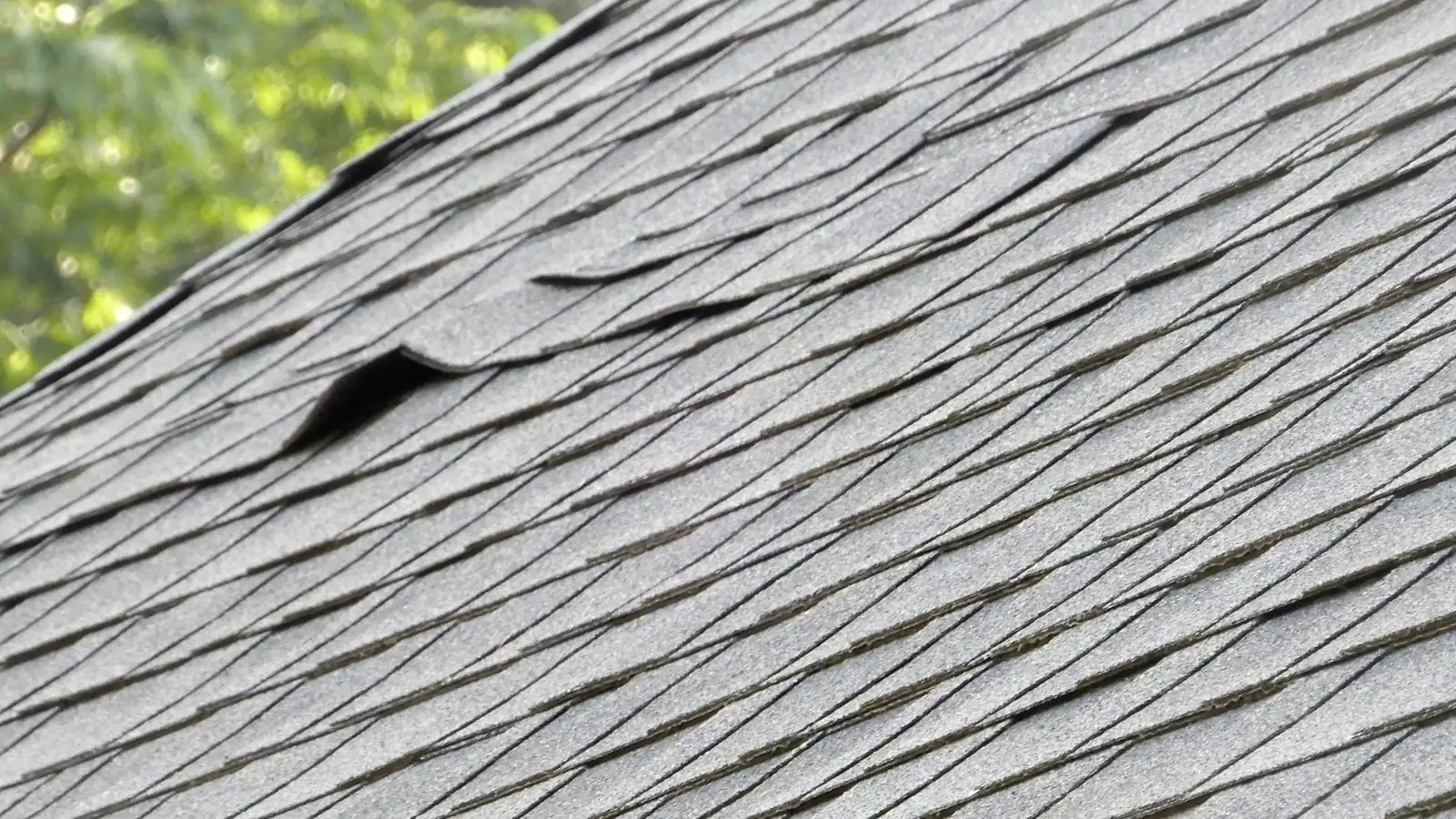
Storm damage tends to arrive in several forms at once. A tree can open a roof, wind can lift shingles, rain can push through window frames and runoff can rise at the foundation. Power often goes out, which stops sump pumps. If your house is wet after a storm, call (833) 521-1033. The 24/7 line starts the response.
Water coming in after a storm
Look for downed lines before you step outside, and stay away from trees touching wires. Inside, keep clear of ceilings that are sagging and of wet areas near electrical equipment. If a roof is open, call a roofer for a temporary cover, and take photos before and after.
If the basement is taking water and the power is out, do not enter standing water to reach a panel. Call the utility or 911 about hazards. A sump pump that stopped is a common reason a basement goes from damp to flooded.
Storms that have reached New Canaan
In 2020 Tropical Storm Isaias left more than 85 percent of the town without power at first, which also meant sump pumps, heat and refrigeration stopped. In 2021 the remnants of Hurricane Ida brought flooding that caused basement water in some homes that had never flooded before, and the town lost roadway on Turner Hill and Valley Road.
Nor'easters and winter storms add ice and snow load, and melting snow can find the same weak points. A storm event often combines a roof leak, a window leak and a basement problem, so a crew checks every level.
| Entry point | What it looks like | Related page |
|---|---|---|
| Roof opening | Ceiling stain or sag | Ceiling water damage |
| Foundation seepage | Wet basement walls or floor | Basement water damage |
| Rising runoff or flood | Water over a threshold | Flood damage cleanup |
| Window or siding leak | Wet wall below a window | Wall and drywall repair |
Storm water in the house?
Call dispatch for extraction and drying.
Storm cleanup and drying
A crew extracts standing water, removes wet insulation and carpet pad, and dries the structure with air movers and dehumidifiers. Moisture mapping covers the roof line, walls and lower level because water from storms travels. Rain that came through the roof follows ceiling water damage, and water from the ground follows basement water damage.
Floodwater that came from outside is handled as contaminated, and the flood damage cleanup page explains how. Wet drywall is covered on wall and drywall repair.
Where tree or structural damage is involved, permits for repair work run through the New Canaan Building Department, which enforces the Connecticut State Building Code.
Before and after a storm
A few steps help before a storm. Clear gutters and downspouts, test the sump pump and keep a battery backup if you have one, and know where the main shutoff is. Move valuables off basement floors if heavy rain is forecast. These steps cost little and have a real effect on how a storm plays out.
After a storm, walk the house in daylight and check the attic, the ceilings, the window sills and the basement. Look for fresh stains, damp insulation and soft drywall. Photograph everything, even small signs, because damage can grow after the weather passes and your insurer will ask for dates.
Keep notes on when the power went out and when it returned, and keep receipts for any temporary repairs such as tarps. That record helps a claim and helps a crew understand how long materials have been wet.
Storm cleanup follows ANSI/IICRC S500, the industry standard for restoring water-damaged structures, which sets how rain water and floodwater are categorized and handled.
Costs and insurance after a storm
Entry point and area
A roof opening and a basement flood are different jobs.
Water category
Rain through a roof and floodwater are handled differently.
Contents and structure
Furniture and building materials both count.
Drying days
Several rooms and levels need more equipment.
Rebuild scope
Roofing, drywall and paint are separate trades.
Wind and rain damage is often covered, while flood is usually excluded from homeowners policies. Ask your insurer which applies and photograph before cleanup. We cannot promise coverage. Call (833) 521-1033 and the scope and price are explained before work starts.
After storms we take calls from New Canaan, Darien, Norwalk, Wilton and Stamford, and confirm Westport, Weston, Greenwich, Ridgefield and Redding addresses by phone.
Common questions
Do you handle storm damage emergencies at night or on weekends in New Canaan?
Yes. The line is answered 24/7, including during and after storms. Call (833) 521-1033 and describe where water is coming in.
What if the power is out and the basement is flooding?
Do not enter standing water. Call the utility or 911 about electrical hazards and call us for extraction once it is safe.
Should I cover a hole in the roof first?
A roofer should provide a temporary cover. Keep people away from sagging ceilings and photograph the damage.
Is storm damage covered by homeowners insurance?
Often for wind and rain, but flood is typically excluded. Ask your insurer which applies.