
Structural drying removes moisture that is held inside the building materials. Surfaces can feel dry while the wood, drywall and concrete behind them are still wet. Left in place, that moisture leads to swelling, odor and mold. Call (833) 521-1033 to arrange equipment and daily readings. The line is answered 24/7.
Walls and floors that still feel damp
This is the question that brings most people to this page. A musty smell, a wall that is cool to the touch, a floor that cups or paint that bubbles all mean moisture is still present. A fan and an open window rarely solve it, because they move air without removing enough water from the materials.
A moisture meter and a thermal camera show where the moisture is, including inside walls. The same instruments give the starting readings that later prove the structure is dry. If you only dried the surface, readings often show the problem remains.
How drying works
Measure
Meters and thermal imaging map moisture and set the target readings.
Move air
Air movers push dry air across wet surfaces and into cavities.
Remove moisture
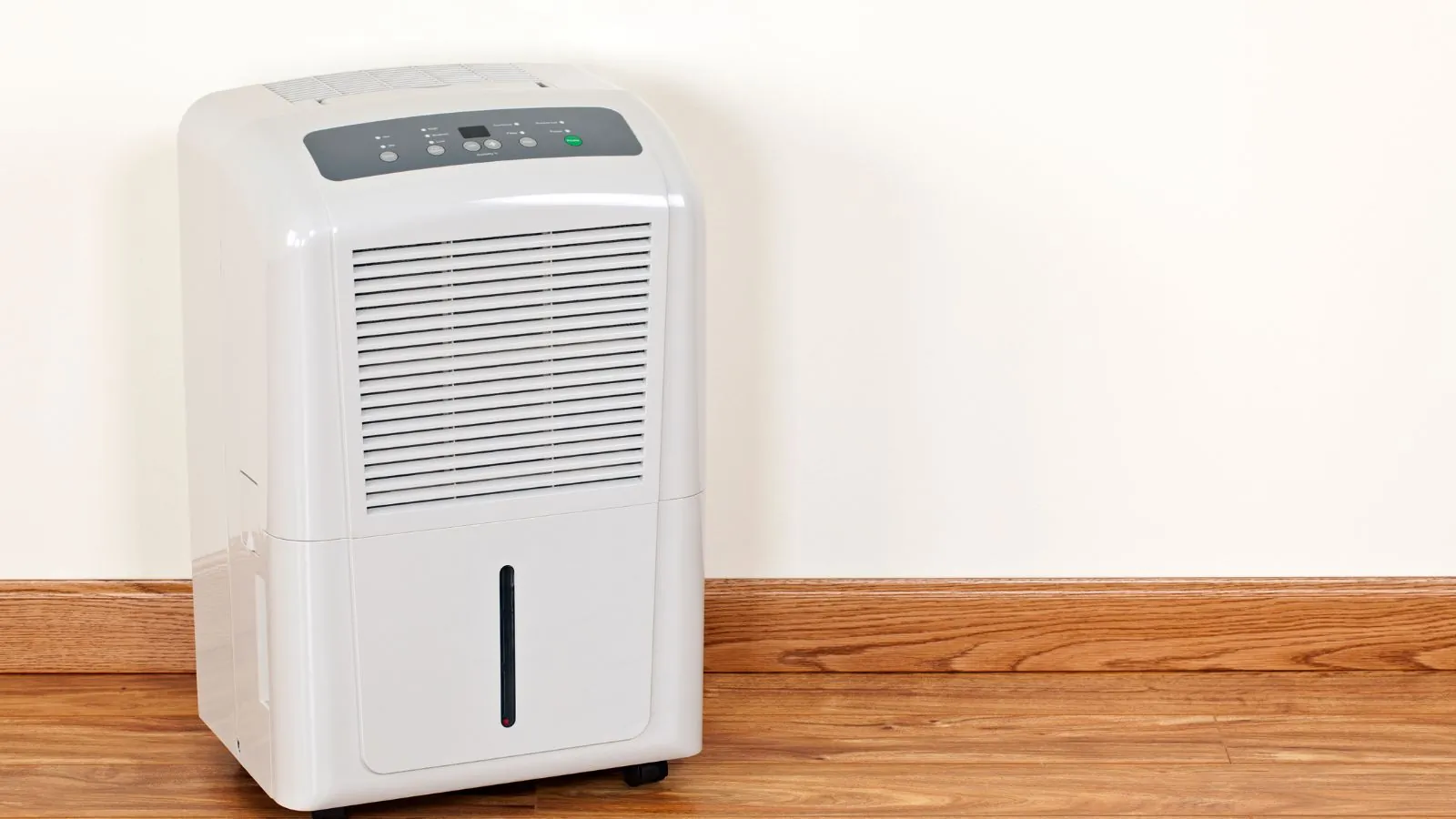
LGR dehumidifiers pull water out of the air so evaporation continues.
Monitor
Daily readings of temperature, humidity and moisture show progress.
Evaporation needs air that can hold more water. A dehumidifier lowers humidity so wet materials keep releasing moisture, and air movers keep that dry air moving. Psychrometric readings track the balance. When readings reach the dry standard for the material, the equipment is removed.
| Material | How it dries | What a crew watches |
|---|---|---|
| Drywall | Often dried in place if clean water and caught early | Surface and cavity readings |
| Wood framing and subfloor | Slowly, with steady airflow | Moisture content of the wood |
| Hardwood flooring | May need panels lifted for airflow | Cupping and subfloor readings |
| Concrete slab | Very slowly, because it is dense | Slab moisture before new flooring |
Need drying equipment?
Call to arrange readings and a drying plan.
How long drying takes
Many jobs run for several days, but the number depends on the materials, how wet they got and how large the area is. A crew checks readings each day and adjusts equipment. The goal is the dry standard for each material, which is why the job ends when readings say so and not on a fixed schedule.
Equipment may be noisy and warm the room. Keep doors closed to the drying zone and do not unplug equipment. If you smell something earthy or see spots, read mold remediation for testing and containment. Water removal is covered on water extraction, and what to do after a slab leak is in slab leak water damage.
The method follows the ANSI/IICRC S500 standard for professional water damage restoration. We name the standard so you can ask your contractor whether they follow it. We make no claims about certifications beyond that.
Drying and insurance
Insurers often ask for drying logs, which are the daily readings and equipment records. Ask for a copy. A claim is easier to support when readings show the starting wetness and the final dry result.
Area and materials
More wet material needs more equipment.
Equipment days
Time on site depends on how fast readings drop.
Hidden moisture
Cavities and slab can extend drying.
Monitoring visits
Daily readings are part of the work.
Rebuild
Repairs follow once readings are dry.
We cannot promise a claim outcome. Call (833) 521-1033 to hear how scope and price are laid out before equipment is set. Drying jobs run in New Canaan, Darien, Norwalk, Wilton, Stamford and Westport, and Weston, Greenwich, Ridgefield and Redding are confirmed by phone.
Common questions
How do I know my walls are dry after a leak?
A moisture meter reading in the wall and a thermal camera scan are the reliable test. Surface feel and a fan are not.
Why does my house smell musty after drying?
A musty smell can mean moisture remains in a wall cavity or under flooring. A moisture check finds it.
Why are the dehumidifiers so loud?
Air movers and dehumidifiers run continuously to remove moisture. They are noisy but they are what dries the structure.
Can I use my own fans and dehumidifier?
They can help with a small spill, but a larger loss needs professional equipment and readings to confirm the structure is dry.