
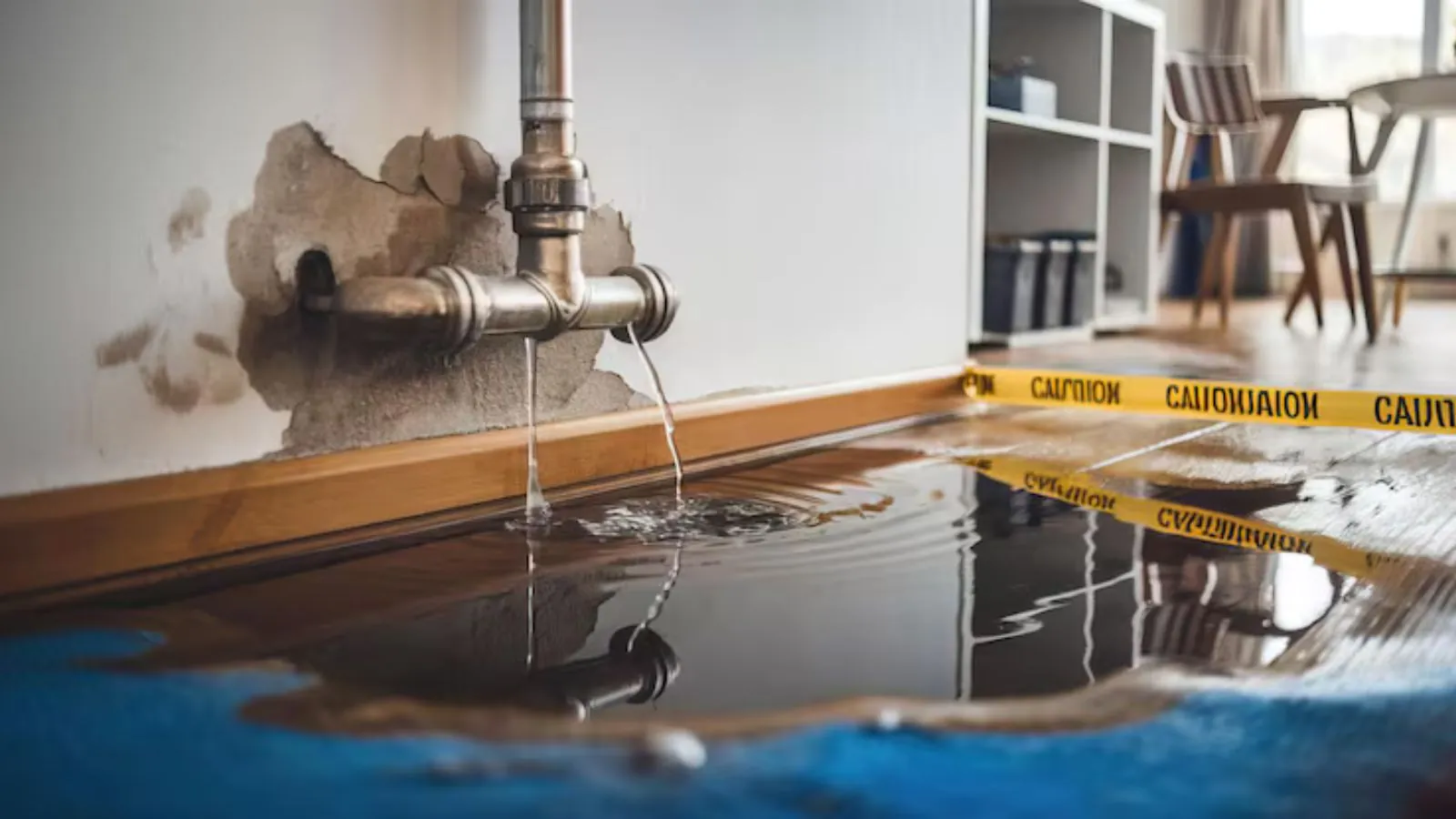
Water damage in a rental involves a tenant, a landlord and often an insurer or two. The building usually belongs to the landlord, and the belongings belong to the tenant, which changes who deals with what. The most helpful thing either party can do is act early and keep a written record. This page is general information and not legal advice, so read your lease and ask an attorney about your rights.
First steps for a tenant
- Stop the water if it is safe, usually at the fixture or the unit shutoff.
- Notify the landlord or property manager right away, and follow up in writing.
- Photograph the damage and your belongings before moving them.
- Move valuables to a dry spot and keep receipts for any costs.
- Contact your own insurer if you carry renters insurance.
Written notice matters because it fixes the date. Email or a letter creates a record that a phone call does not. Keep a copy of every message.
First steps for a landlord
Shut off the water at the main or the unit valve, arrange for the source to be repaired and have the area dried quickly. Water that spreads between units becomes more expensive each hour. Contact your property insurer and document the loss. Our commercial water damage restoration page explains how a crew handles multi-unit buildings.
| Item | Usually the landlord's concern | Usually the tenant's concern |
|---|---|---|
| Building structure and plumbing | Yes | No |
| Repair of the source | Yes | Notify promptly |
| Tenant belongings | No | Renters insurance, if any |
| Temporary housing | Depends on the lease and law | Ask in writing |
| Drying and rebuild | Yes | Allow access |
Renters insurance
A renters policy generally covers a tenant's belongings and may cover additional living expense. It does not cover the building. A landlord's policy covers the building and does not cover the tenant's belongings. Ask your insurer about water backup and flood, since standard policies often exclude them.
Access and timing
A drying crew needs access to the affected unit and often to units above and below. Tenants should expect equipment to run for several days and noise from air movers and dehumidifiers. Keep doors closed to the drying area and do not unplug equipment. If a leak came from upstairs, see ceiling water damage for what the damage looks like below.
Keeping a clean record
Keep a simple log with dates and times. Write what you saw, who you told and when they responded. Keep photos with their original dates. A clear log helps with an insurer, with a landlord and with a dispute resolution process if one becomes necessary.
Do not make repairs to the building yourself unless the lease allows it, since that can create questions about responsibility. Stopping the water and protecting your belongings are the steps almost everyone agrees you should take.
Water damage in progress?
Call the 24/7 line and describe what you see.
Mold and odors in a rental
A musty smell or visible growth after a leak should be reported in writing. Do not scrub it dry. The landlord is generally the one who arranges testing and remediation, and the mold remediation page explains how that process works. Keep your belongings away from the affected area.
Moving out and temporary housing
Some water losses make a unit hard to live in for a time. Whether the landlord must provide other housing or reduce rent depends on the lease and on law, and we cannot advise on that. Ask in writing, and ask your renters insurer whether additional living expense applies.
Pack belongings carefully if you must move them. Photograph items as you pack and keep wet items separate from dry ones. If a crew needs to remove flooring or lift furniture, ask for a list of what was moved and where it went.
Keep communication polite and factual. Most rental water losses are resolved when both sides move quickly and keep records. A dispute is easier to settle when each step is written down.
Preventing the next loss
After a loss, ask what caused it and what will prevent another one. A worn supply line, a failed appliance or a blocked drain can often be fixed for a small cost. Tenants can help by reporting drips early and by not running appliances while away.
Landlords can help by checking hoses, supply lines and water heaters on a schedule, and by giving tenants a clear number to call after hours. A little maintenance reduces losses for both sides.
A New Canaan note
A significant portion of rental housing in the area is in older buildings near Town Center, with apartments above shops and neighbors on every side. That makes a leak in one unit quickly a problem in several.
If your rental is a house on a larger lot, such as those near Ponus Ridge, the landlord usually remains responsible for the structure and plumbing. Check your lease for who to call after hours.
We do not advise on lease disputes or tenant rights. If you are unsure, the state's consumer and housing resources and a local attorney can help. We handle the cleanup when the property owner or manager calls.
Common questions
Who pays for water damage in a rental?
It depends on the cause, the lease and the policies involved. Notify the landlord in writing and ask both insurers what applies.
Can a tenant call a restoration company directly?
In many cases the landlord arranges it. Check your lease, and call the landlord first unless there is an emergency.
Does renters insurance cover the building?
No. It usually covers the tenant's belongings and sometimes extra living costs.
What if my New Canaan landlord does not respond?
Keep written records, protect your belongings and seek advice from a local attorney or the appropriate housing resource.