
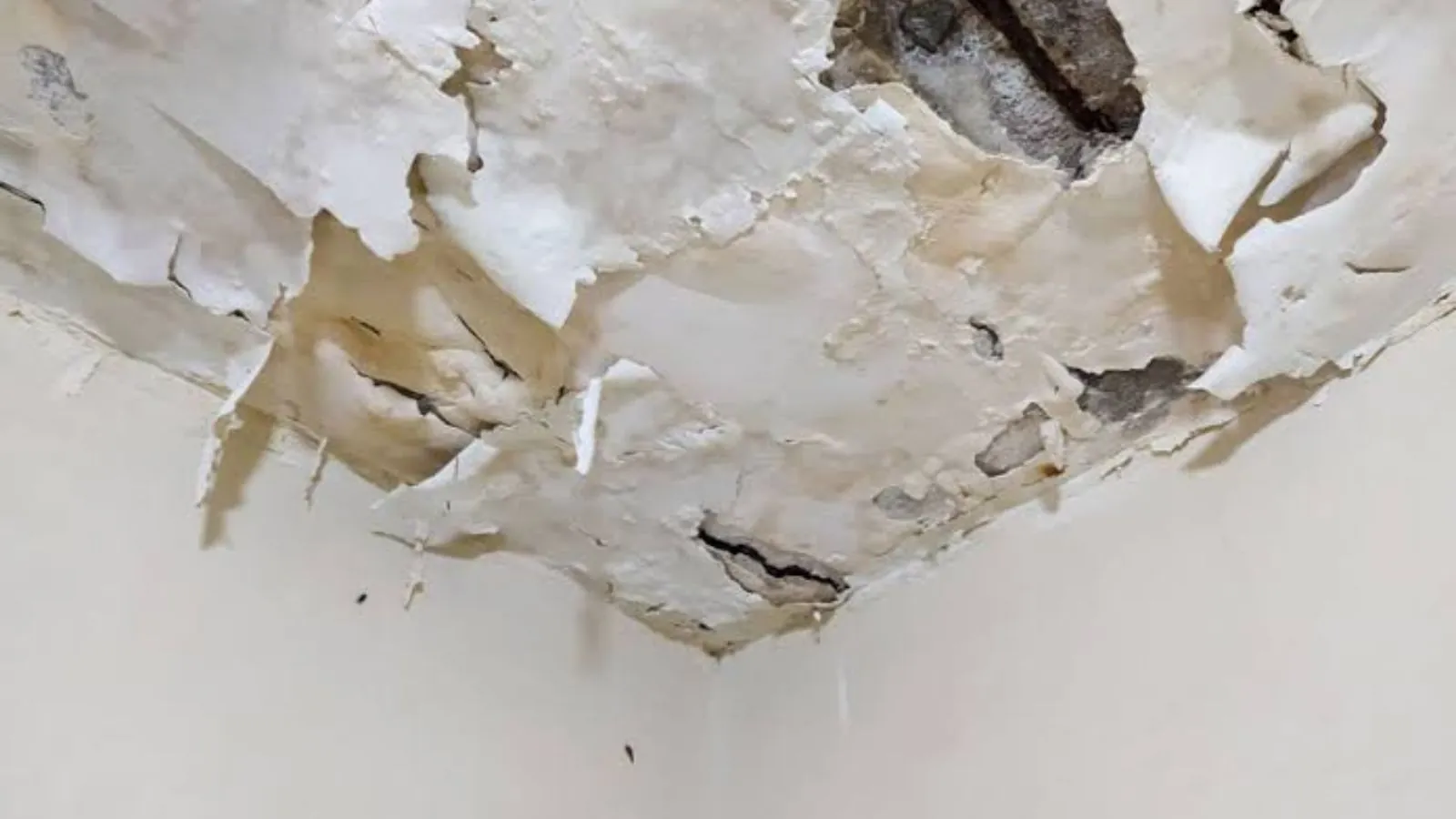
Filing an insurance claim after water damage is a process of documentation. You are showing what was damaged, when it happened and what you did to limit the damage. People who keep clear records tend to have fewer disputes. The steps below follow the guidance the Connecticut Insurance Department gives policyholders, and they are the same whether the loss is large or small.
Step 1: Make it safe and stop the source
Shut off the water at the fixture or main valve. Avoid electrical hazards. If the loss involves a sewer backup or flood, keep people and pets out of the area. Your priority is safety, then stopping further damage. Insurers expect you to take reasonable steps to limit the loss.
Step 2: Photograph and list
Take wide shots and close-ups of the damage before anything is moved. Photograph the source, such as a split hose or a stained ceiling. List damaged contents with the age and approximate value, and note brand names where you can. Video narration helps, since you describe as you film.
Step 3: Report the loss
Call your insurer or agent promptly and ask what they need. Write down the claim number, the date and the name of the person you spoke with. Ask whether they want you to wait for an adjuster before work starts, and what temporary repairs they will accept.
Step 4: Temporary repairs and receipts
Water extraction and drying are usually considered reasonable steps to prevent more damage. Keep every receipt, including for equipment and materials. If a roof or window is open, a temporary cover counts as the same kind of step. Our water extraction page explains what a crew does first.
| Step | What to keep | Why it matters |
|---|---|---|
| Photos and video | Before and after cleanup | Shows the extent of the loss |
| Contents list | Item, age, value | Supports a contents claim |
| Claim notes | Date, claim number, names | Keeps conversations traceable |
| Receipts | Equipment, materials, services | Supports reimbursement |
| Moisture readings | Daily log from drying | Shows when the structure was dry |
Step 5: Keep damaged items for the adjuster
The state guidance says to keep damaged items until the adjuster has reviewed them. Unsafe items, such as those soaked by sewage, are the exception, and you can photograph them before disposal. Ask the adjuster how they want to handle those.
Step 6: Get written estimates
For repairs, get a written estimate and verify contractor licensing with the Department of Consumer Protection. Avoid paying the full amount upfront. If you disagree with an insurer's estimate, ask for the reasoning in writing and bring your own documentation.
Water damage in progress?
Call the 24/7 line and describe what you see.
Working with an adjuster
An adjuster is the insurer's representative who reviews the loss. They will want to see the damage, the source and your documents. Be present if you can, walk them through the areas and point out hidden spots such as the base of walls and the floor under a cabinet. Ask what they will cover and what they will not, and ask for the answer in writing.
If you disagree with an estimate, you can ask for the line items and the reasoning. Bring your own written estimate from a licensed contractor. Public adjusters are an option some policyholders use, and the state notes they charge fees, so ask how they are paid before you sign.
Common mistakes that slow a claim
- Throwing away damaged items before they were photographed or reviewed.
- Starting a large rebuild before the scope was agreed.
- Losing receipts for equipment, materials and temporary repairs.
- Waiting weeks to report a loss that was clearly sudden.
- Assuming the contractor will file the claim, when the policyholder must.
None of these ends a claim by itself, but each one creates a question. A tidy folder with photos, notes, receipts and readings answers most of them before they are asked.
Timelines and follow-up
Claims move at the pace of paperwork. Ask the adjuster when you can expect a decision, and ask what happens next at each step. If a week passes with no word, call and note the date. Polite persistence tends to work better than silence.
Keep working on the dry-out while the claim is reviewed. Waiting for approval before extraction can make the loss larger, and insurers generally expect you to limit damage. If you are unsure, ask your insurer and note the answer.
If the claim is approved, review the payment against the scope. Payments may come in stages, and some policies pay for contents separately. Keep the final invoices and the dry readings together in your claim folder.
A New Canaan note
The New Canaan Building Department, at Town Hall, enforces the Connecticut State Building Code and issues permits for many repair projects. A rebuild after water damage may need a permit depending on the work, so ask the contractor who will pull it.
If your home sits in a mapped flood area near Silvermine or another low spot, the claim path may involve flood coverage, and Town Center properties with older plumbing have different typical sources.
Drying records matter more than people expect. Daily readings prove the building reached dry standard, and the structural drying page explains what those readings are. A crew cannot promise the claim outcome, but it can give you the record.
Common questions
How soon should I report a water damage claim?
As soon as you can. Policies have time limits and the insurer can tell you what to document.
Should I wait for the adjuster before drying?
Ask your insurer. In general, steps that prevent more damage are expected, and you should keep records and receipts.
Do I need a building permit for repairs in New Canaan?
It depends on the work. The Building Department at Town Hall can tell you, and your contractor usually handles the permit.
What if my claim is denied?
Ask for the reason in writing and review your policy. The Connecticut Insurance Department can explain your options.