
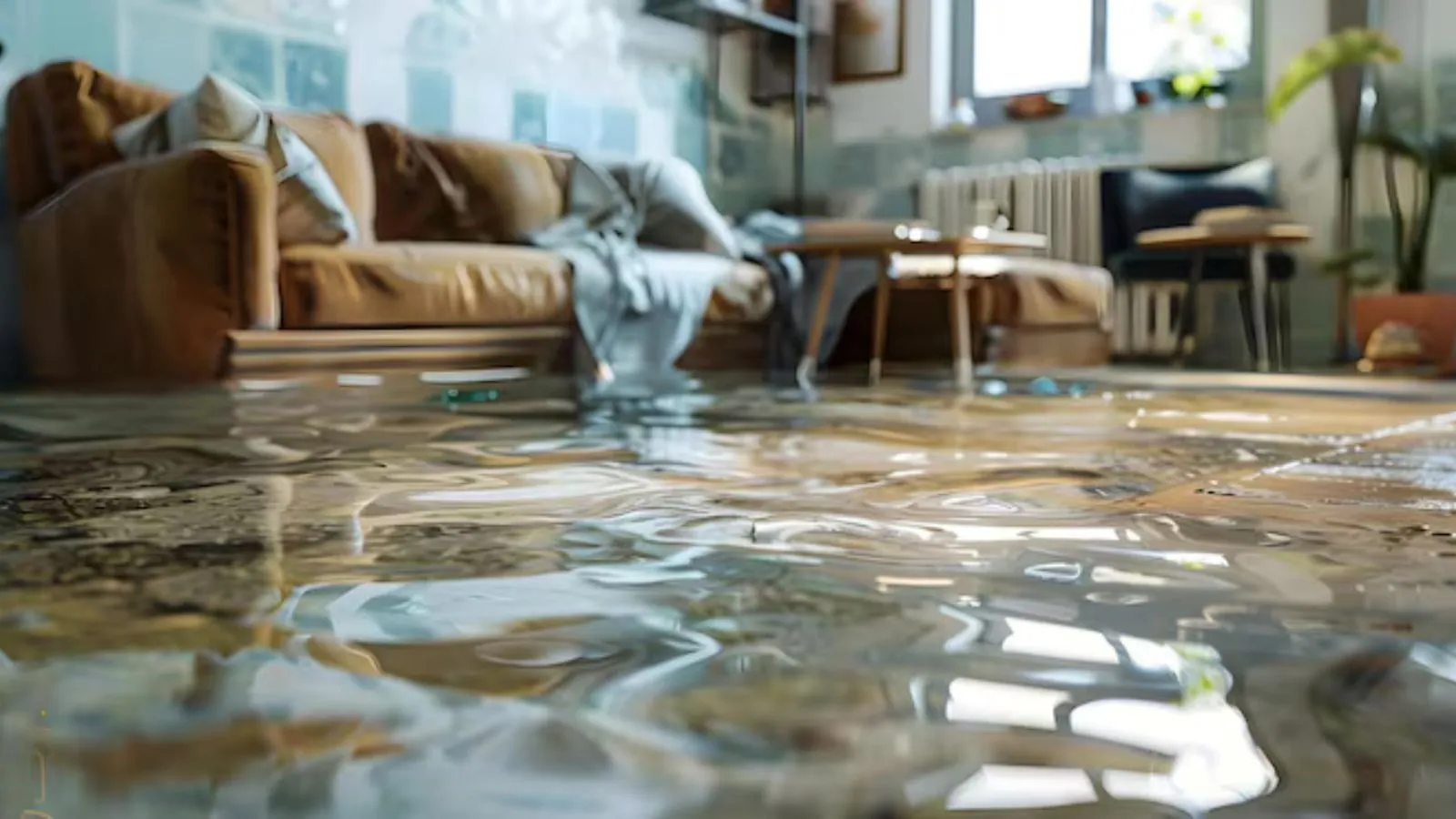
Mattresses, sofas and upholstered chairs soak up water and hold it. They are also expensive, so people want to keep them. The decision depends on two things: what kind of water it was and how long the item stayed wet. A clean-water spill caught in a few hours is very different from a sofa that sat in floodwater overnight.
Start with the water category
| Water type | Examples | Usual outcome for upholstered items |
|---|---|---|
| Clean water, Category 1 | Supply line, rain through a roof just opened | May be dried if caught quickly |
| Gray water, Category 2 | Washer or dishwasher discharge | Often discarded, depends on exposure |
| Contaminated water, Category 3 | Sewage, floodwater | Discard porous items |
Category 3 water carries bacteria and other contaminants, and porous materials such as foam, batting and fabric hold them. Cleaning does not reliably remove them. Standard restoration guidance treats those items as disposable. The sewage backup cleanup and flood damage cleanup pages explain why.
Time matters
Clean water starts to turn into a problem after a day or two, as materials stay wet and odors and growth begin. A mattress that was soaked and not dried within that time frame is much harder to recover. If an item is going to be dried, act within hours.
What you can do right away
- Move the item out of standing water and onto a dry surface or foil blocks.
- Blot, do not rub, to remove surface water.
- Raise it so air can circulate underneath and around.
- Use fans and a dehumidifier in the room, and open windows if the weather allows.
- Photograph the item and the damage for your records.
A wet vacuum can pull water from a cushion surface, but it cannot reach deep foam. Do not use heat sources such as hair dryers or heaters that can scorch fabric or start a fire.
Mattresses specifically
A mattress is a thick pad of foam and springs, so water goes deep. A clean-water spill on a protected mattress may dry with airflow and time. A mattress that sat in a wet room for days, or that got contaminated water, is normally discarded. A damp mattress that smells musty likely has growth inside, and it should go.
Water damage in progress?
Call the 24/7 line and describe what you see.
Sofas and chairs
Sofas have wood frames, foam cushions and fabric. Frames dry better than cushions. Foam that stayed wet for more than a day is hard to rescue. A professional upholstery cleaner can sometimes clean fabric after a clean water event, but cannot undo deep saturation. Leather and microfiber react differently, so ask the cleaner.
Rugs, pillows and smaller items
Wool and synthetic rugs can often be cleaned and dried after a clean water event, and a rug cleaner can advise. Pillows and stuffed items with polyester fill can sometimes be washed on a hot cycle if the water was clean. Anything that touched sewage or floodwater should be discarded, even if it looks fine.
Books and papers are fragile when wet. Interleave paper towels between pages, keep them out of sunlight and consider a freezer for valuable documents until they can be treated. A conservator or document restoration firm can help with irreplaceable items, and we handle the building.
Wood furniture often does better than upholstered pieces. Wipe it dry, let it air out and watch for swelling in veneer and particleboard, which does not recover. Solid wood pieces can be refinished if the finish clouds or lifts.
When to call a professional
If a room full of furniture is wet, if the water came from outside or a drain, or if the floor and walls are also wet, call a restoration crew. They can extract water, set drying equipment and remove contaminated items safely. Trying to rescue furniture while the room stays wet usually does not work.
If the item has real value or sentimental meaning, ask a specialist cleaner or restorer for an opinion before deciding. Some high-end pieces can be treated, and the cost may be worth it.
A New Canaan note
Basements in town have taken on water in several recent storms, including the remnants of Hurricane Ida in 2021, and basement sofas, mattresses and stored furniture are the items most often affected. If you use your lower level as a guest room or family room, think about what you would want to rescue first and keep it off the floor.
If your belongings were hit by a larger loss, the basement water damage page explains the room-level cleanup, and the Talmadge Hill and Silvermine pages describe how storms and runoff reach homes in those areas.
Records for insurance
Keep photos of ruined items, and keep the items until the adjuster has seen them, unless they are unsafe. Standard guidance from the Connecticut Insurance Department is to keep damaged goods for review, to photograph them and to keep receipts. A contents list with age and value speeds up the claim.
Common questions
Can a mattress be dried after a pipe leak?
Sometimes, if it was clean water and caught within hours. If it stayed wet or smells musty, discard it.
Is it safe to keep a sofa that got wet from sewage?
No. Porous items that contact sewage should be discarded.
Will a fan dry a wet sofa cushion?
It helps the surface, but deep foam stays wet. Time is the problem, so act within hours.
Should I throw out wet furniture before the adjuster comes?
No. Photograph it and keep it unless it is unsafe. Ask the adjuster how they want to handle it.